Your home may be very clean and fresh, and with an optimized air conditioning system, you can feel very comfortable. Yet, indoor air can contain a lot that can be irritating if not unhealthy to you and your family. Irritants such as dust, pollen, pet dander, mold spores, smoke, odors, chemicals, and other airborne particles, can be present, accumulate, or circulate in indoor air.
This is especially true here in the Brazos Valley where there are outdoor allergens, humidity, heat, pets, and tightly sealed homes that run the AC for long stretches. All of these can affect indoor comfort and air quality.
The good news is that improving your indoor air quality can be done without a major upgrade. With a combination of good HVAC maintenance, filtration, humidity control, ventilation, and cleaning, you can make a noticeable improvement to your indoor air quality.
R&R Quality Air provides Indoor Air Quality and HVAC Maintenance services to keep your system running at its best and your home fresh and comfortable.
1. Start With Your HVAC Air Filter
One of the simplest places to start in improving your indoor air quality is by checking your air filter. As your AC runs consistently throughout the day, air is repeatedly passed through the HVAC system. Check the filter regularly rather than relying on a calendar, since your HVAC use may vary.
If your home has pets, allergies, construction dust, or heavy AC use, your filter may need to be changed more frequently. A higher-rated filter isn’t always better either. If your system isn’t designed for the added resistance, then it can work harder to pull air through the filter. Dirty filters restrict airflow and aren’t as effective.

2. Control Indoor Humidity
The next step in your indoor air quality check is to control your indoor humidity. The Brazos Valley frequently experiences high humidity, which can affect both indoor comfort and air quality. If left unchecked, it can contribute to mold and mildew growth in your home, or it can simply make your home uncomfortable.
Your AC system is designed to help remove moisture from the air as it cools. An oversized HVAC system may cool your home too quickly to adequately remove moisture from the air, while other system or ventilation issues can also contribute to persistent indoor humidity.
We recommend using bathroom and kitchen exhaust fans as needed to help remove moisture at the source. Also, persistent humidity can point to a bigger issue with your HVAC system, ventilation, or insulation. In some cases, we recommend a whole-home dehumidification system.
Signs Your Home Is Too Humid:
- Condensation
- Musty odors
- Rooms that feel clammy
- Recurring mildew
- Noticeably uncomfortable indoor air
3. Keep Dust, Pollen, and Allergens From Building Up
With regular cleaning, you can help remove and prevent a lot of irritants from building up in your indoor air. We recommend vacuuming regularly, washing bedding, and dusting ceiling fans and vent covers. Keep exterior doors and windows closed as much as possible during high-pollen periods. Keep mats by your exterior doors and remove your shoes before entering. Groom your pets regularly and clean their bedding just as often.
4. Have Your HVAC System Inspected and Maintained
Your HVAC system affects a lot more than just the temperature of your home, because it’s circulating air throughout your home. During an HVAC inspection, we can identify potential issues and recommend repairs or improvements before they become bigger problems.
An inspection can identify issues such as:
- Dirty coils
- Drainage problems
- Excess moisture
- Airflow problems
- Poor filtration
- Leaky or damaged ductwork
- Improper system operation
If you have rooms that feel stuffy, humid, dusty, or noticeably different from the rest of your home, you may have an airflow problem. This is something worth getting checked by a professional. We also wrote an article full of helpful advice for this situation: One Room Not Cooling? Should You Repair Your AC, Add a Mini-Split, or Use a Window Unit?
5. Inspect Your Ductwork When There Are Signs of a Problem
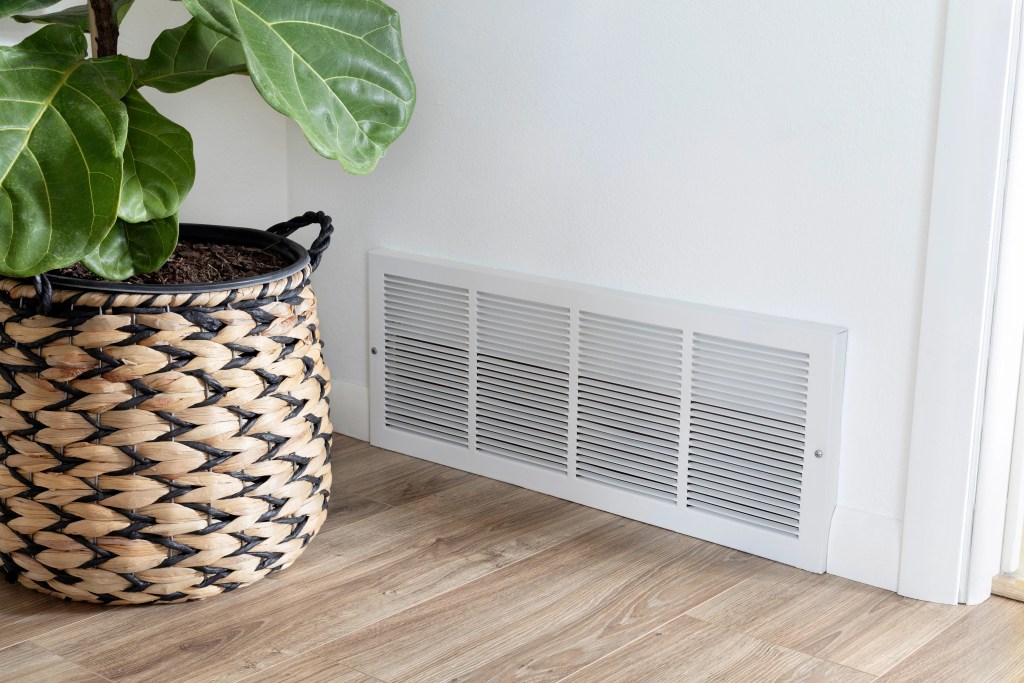
Do your air ducts need cleaning? Not every home needs routine duct cleaning, but your ductwork is worth inspecting when there are signs of a problem. Heavy debris, pest contamination, visible microbial growth, damaged or disconnected ducts, construction debris, or duct leaks can all contribute to poor indoor conditions.
Leaky ducts can pull air from your attic or other unconditioned spaces and bring in dust, heat, and humidity.
6. Improve Ventilation But Pay Attention to Outdoor Air Quality
Fresh-air ventilation can help reduce the buildup of indoor pollutants, odors, and moisture. Use bathroom and kitchen exhaust fans when needed, and consider opening windows when outdoor conditions are favorable. However, on days with high pollen, smoke, elevated ozone, or poor outdoor air quality, opening the windows may bring more pollutants inside. Check the local Air Quality Index (AQI) before relying on outdoor air for ventilation.
7. Consider Additional Indoor Air Quality Equipment
While you’re researching methods to improve air quality in your home, you can consider these solutions. Depending on the situation in your home, we may recommend:
Whole-home air filtration
Captures airborne particles as air circulates through the HVAC system.
Air purification systems
Some systems provide additional treatment for particles and certain contaminants.
UV lights
Often installed around HVAC coils or air-handling components to help control microbial growth in specific areas of the system.
Whole-home dehumidifiers
Help control excessive moisture when the HVAC system alone can’t maintain comfortable humidity.
The best solution depends on the problem you’re trying to solve. Allergies, excessive dust, odors, humidity, and mold concerns may require different approaches. Reach out and we will be happy to help you, providing professional and honest recommendations.
How Do You Know If Your Indoor Air Quality Needs Attention?
While you can’t see everything in the air you breathe, there are several signs that your indoor air quality may need attention.
Possible Signs:
- Excessive dust shortly after cleaning
- Musty or persistent odors
- Frequent condensation
- Visible mold or mildew
- Stuffy rooms
- Uneven humidity
- Allergy symptoms that seem worse indoors
- Pet odors or dander
- Dust collecting around vents
- Rooms that consistently feel uncomfortable
These signs don’t automatically prove that indoor air pollution is the cause, but they’re reasons to investigate.
What Is the Best Way to Improve Indoor Air Quality?
The best way to improve indoor air quality is to reduce pollutants at their source, maintain proper filtration and airflow, control indoor humidity, and use appropriate ventilation. Homes with persistent dust, humidity, odors, or allergy concerns may also benefit from professional HVAC evaluation or additional air-quality equipment.
Cleaner Air Starts With the Whole Home
Improving indoor air quality usually takes more than buying a single air purifier or changing your air filter. Your HVAC system, ductwork, filtration, humidity, ventilation, and everyday household habits all work together to affect the air inside your home. That’s why we recommend looking at the home as a whole when persistent air quality concerns arise.
Concerned about the air inside your home?
R&R Quality Air can evaluate your HVAC system and help identify solutions for excessive dust, humidity, airflow problems, filtration, ductwork, and other indoor air quality concerns throughout the Brazos Valley.
Schedule an Indoor Air Quality Evaluation
Air Quality FAQs
1. How can I tell if the air quality in my home is bad?
Common signs of poor indoor air quality include excessive dust, musty or lingering odors, visible mold or mildew, high humidity, condensation, stuffy rooms, and allergy symptoms that seem worse indoors. These signs can have several causes, so an HVAC inspection can help identify whether airflow, filtration, moisture, or ductwork is contributing to the problem.
2. What is the fastest way to improve indoor air quality?
Start by replacing or checking your HVAC air filter, cleaning dust and allergens from the home, controlling excess humidity, and making sure your HVAC system is operating properly. Improving ventilation and addressing sources of dust, moisture, smoke, or odors can also make a noticeable difference.
3. Do air filters improve indoor air quality?
Yes. HVAC air filters help capture dust, pollen, pet dander, and other airborne particles as air moves through your system. However, the best filter is not always the one with the highest rating. Using a filter that is too restrictive for your HVAC system can reduce airflow, so it is important to choose one that is appropriate for your equipment.
4. Does running the AC improve indoor air quality?
Your AC can help improve indoor comfort by circulating filtered air and removing moisture, but it does not automatically remove every type of indoor air pollutant. Indoor air quality also depends on your filter, ductwork, ventilation, humidity levels, and how well the HVAC system is maintained.
5. Can high humidity affect indoor air quality?
Yes. Excess indoor humidity can make your home feel uncomfortable and create conditions that encourage mold, mildew, dust mites, and musty odors. If your home consistently feels humid even while the AC is running, there may be an issue with airflow, HVAC operation, moisture intrusion, or dehumidification that should be evaluated.