
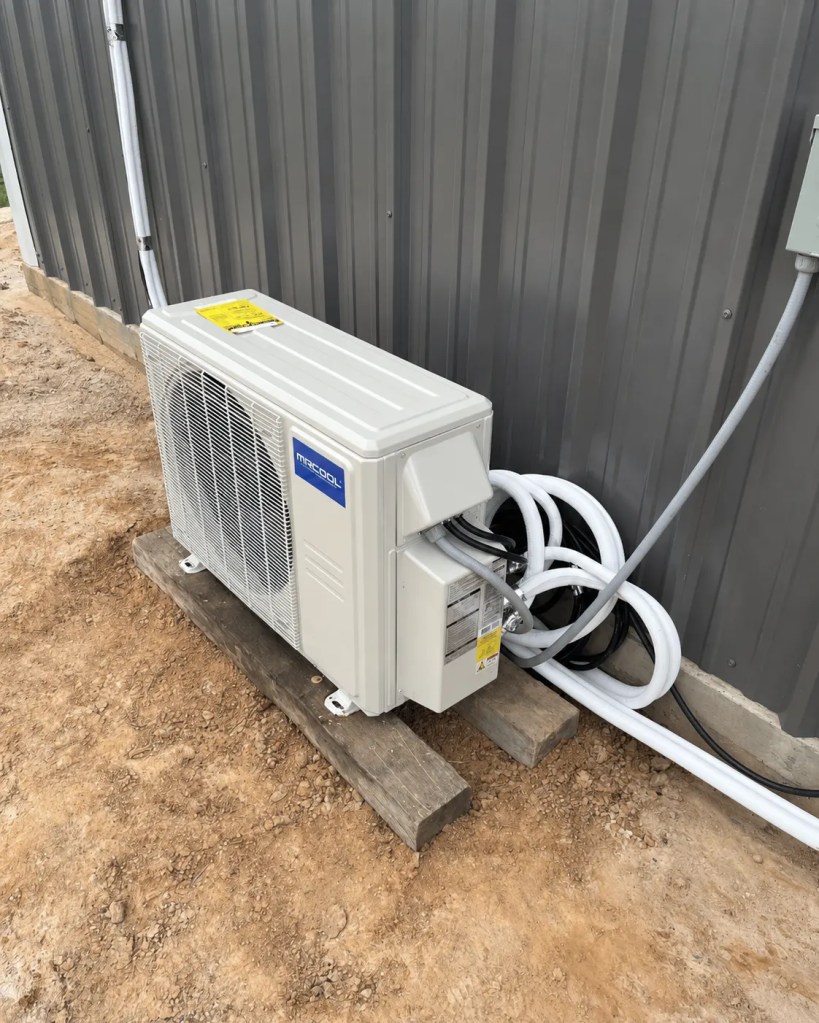
For spaces that don’t require or cannot use a traditional HVAC system, a mini-split system is a great option
A converted garage may stay hot all summer. A new addition may not connect easily to your existing HVAC system. An upstairs room, home office, workshop, or guest space may need more cooling than the rest of the property.
A ductless mini-split gives you another option.
Mini-splits provide targeted heating and cooling without requiring a traditional network of air ducts. They can be used to condition one room or multiple areas, depending on the system configuration.
R&R Quality Air can evaluate your space, discuss your comfort goals, and recommend a properly sized mini-split system for your home or business.
A ductless mini-split is a compact heating and cooling system consisting of an outdoor unit and one or more indoor air-handling units.
The indoor and outdoor components are connected by refrigerant lines, electrical wiring, and a condensate drain. Because conditioned air is delivered directly into the room, the system does not need the extensive ductwork used by traditional central HVAC systems.
Many mini-split systems function as heat pumps, allowing them to provide both air conditioning and heating. Each indoor unit controls the temperature in its designated area, giving you greater control over individual rooms or zones.
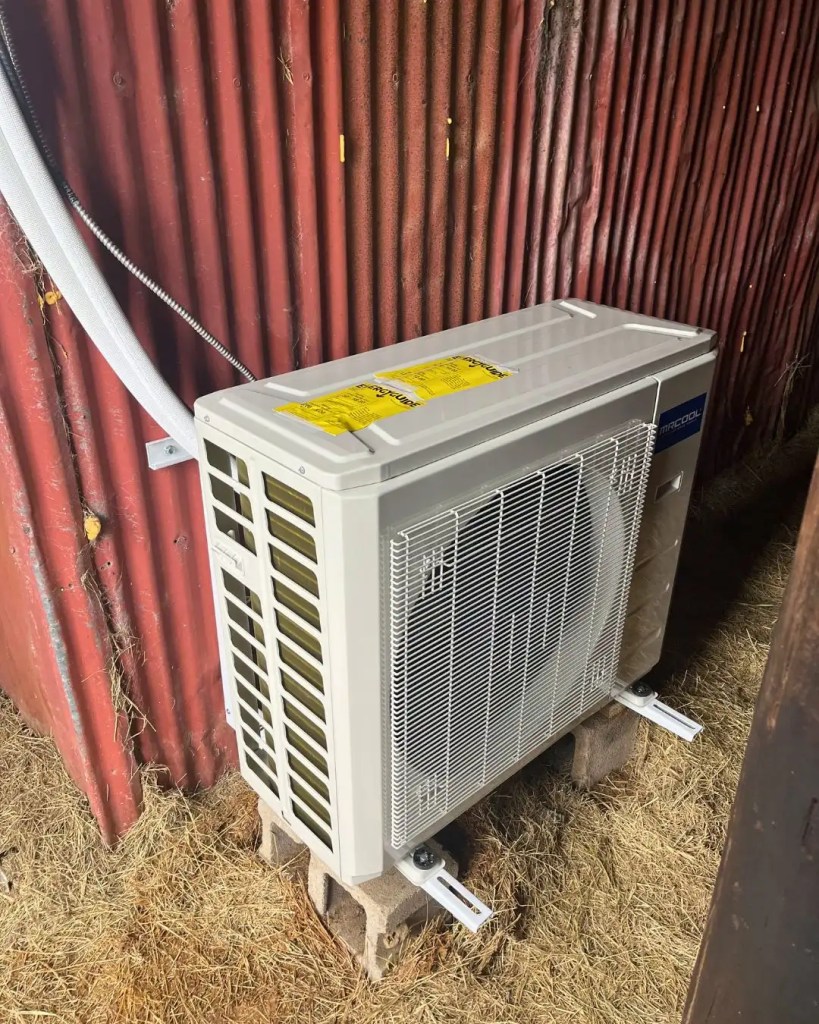

Ductless mini-splits can be a practical solution for spaces where extending or installing ductwork would be difficult, disruptive, or inefficient.
A mini-split may also be used to supplement an existing central HVAC system when one particular area needs additional temperature control. Our team will help you decide the best option for your space.
Mini-splits allow you to control the temperature of a specific room or zone without adjusting the thermostat for the entire building.
Because mini-splits deliver conditioned air directly into the room, they can be installed in many spaces that are not connected to an existing duct system.
Many mini-split heat pumps can cool your space during the summer and provide heat when temperatures drop.
Mini-split systems are designed to operate quietly, making them a good option for bedrooms, offices, nurseries, and other areas where noise matters.
Indoor units are available in several configurations, including wall-mounted, ceiling-mounted, and concealed options. The appropriate installation style will depend on the room and the selected equipment.
Instead of conditioning every room equally, you can focus heating or cooling on the spaces you are actively using. Eliminating long runs of ductwork can also avoid the energy losses associated with leaking or poorly insulated ducts.
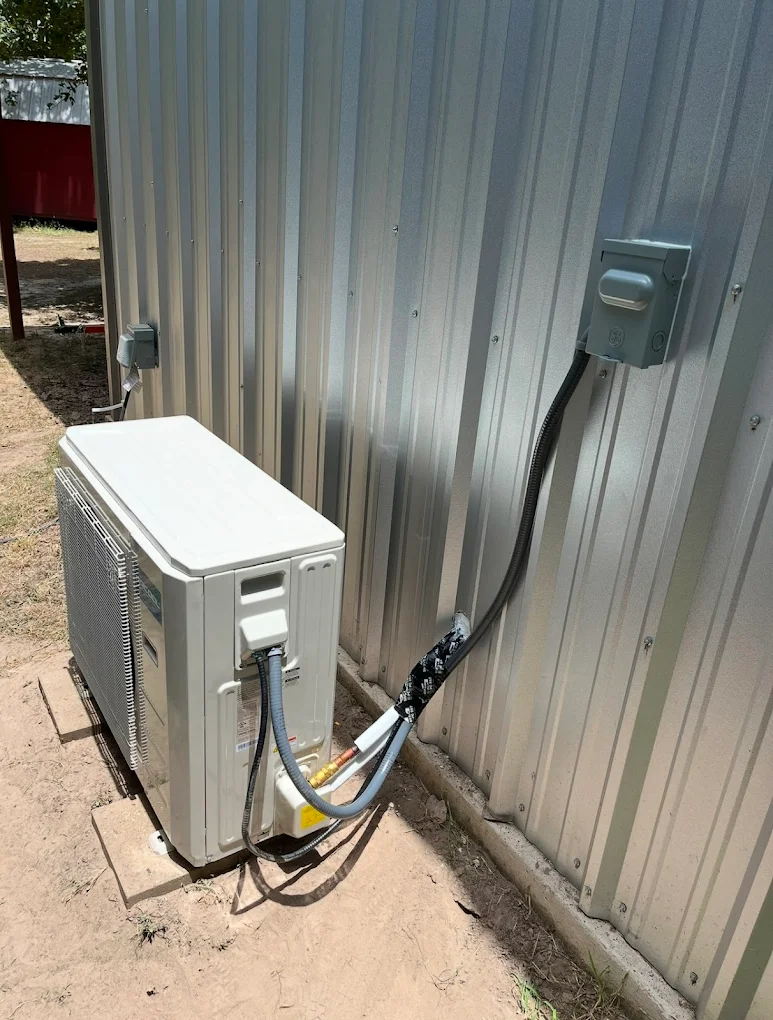
Proper system selection and installation are essential to mini-split performance. Our team evaluates the room’s size, layout, sun exposure, insulation, usage, and other conditions before recommending equipment.
An aging or unreliable mini-split may eventually become more expensive to repair than replace. We can inspect your existing equipment and give you an honest recommendation based on its condition, repair needs, and expected performance.
If your system is not cooling, heating, draining, or operating correctly, R&R Quality Air can diagnose the problem and explain your repair options.
Routine maintenance helps keep the system clean, operating properly, and ready for the demands of a Texas summer.

Our team provides local, professional expertise covering all areas of mini-split system service. With roots in the Brazos Valley, we’ve built a reputation of honest, professional, and friendly service. We offer financing and maintenance plans to keep your home and business comfortable all year long.
Yes. A multi-zone mini-split can connect multiple indoor air handlers to one outdoor unit. Each indoor unit serves a designated room or zone. A single-zone system is designed for one specific space.
Many mini-splits are heat-pump systems that provide both heating and cooling. The system moves heat indoors during heating mode and removes heat from the room during cooling mode.
No traditional whole-home duct system is required. The indoor and outdoor units are connected through a relatively small wall opening containing refrigerant lines, wiring, and a condensate drain.
A mini-split can be a good option for an insulated garage, workshop, or converted garage that does not connect to the home’s central HVAC system. The proper capacity depends on the garage’s size, insulation, doors, windows, sun exposure, and intended use.
That depends on how many rooms you want to condition, the layout of the property, and whether air can circulate adequately between areas. Separate rooms with closed doors may require separate indoor units.